| Getting your Trinity Audio player ready... |
TL;DR: Filipino nurses are leading the U.S. remote nursing revolution by combining world-class clinical skills, strong English proficiency, and cultural adaptability to deliver high-quality virtual care. As remote nursing grows, Filipino nurses in the USA are shaping the future of patient-centered digital healthcare.
In 2024, Filipino nurses made a global impact as 28,258 nursing graduates took the U.S. licensure examination. This milestone highlights a growing wave of international healthcare mobility and the Philippines’ expanding role in global workforce development.
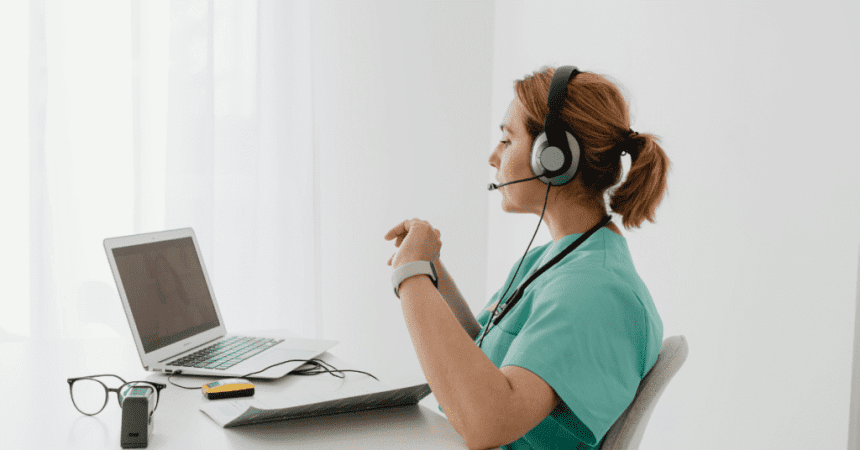
Filipino nurses are playing an increasingly important role in America’s virtual healthcare delivery, combining medical expertise, cultural empathy, and adaptability to enhance patient experiences remotely. The virtual nursing solutions market is projected to reach USD 14 billion by 2034, growing at 18.9% annually.
This growth reflects a major shift toward digitally enabled care models transforming how hospitals deliver efficient and compassionate services. Filipino nurses remain at the center of this transformation, proving why they are among the world’s most trusted professionals.
Together, technology and talent are redefining healthcare efficiency, helping organizations achieve better patient outcomes while maintaining cost-effective, high-quality service delivery.
Why Filipino Nurses Excel in Every Remote Nursing Position
Filipino nurses combine skill, empathy, and adaptability, making them ideal for virtual healthcare roles worldwide. Their success reflects decades of excellence and cultural alignment with modern healthcare needs.
Exceptional English Proficiency Sets Filipino Nurses Apart
The Philippines is widely recognized for its strong English proficiency, giving Filipino nurses a natural advantage in remote nursing positions. Their communication skills ensure seamless coordination between patients, families, and healthcare teams across borders.
Clear and compassionate communication helps build trust, improve understanding, and enhance patient outcomes in virtual healthcare settings. Filipino nurses can educate, comfort, and collaborate effectively without language barriers. Their familiar accent and approachable tone promote comfort and confidence among international patients.
World-Class Education Standards Prepare Filipino Nurses for Success
Strong cultural competency and quality improvement training equips them to adapt quickly to different healthcare systems and digital workflows. This preparation enables Filipino nurses to transition smoothly into remote roles with minimal additional training. Their adaptability and understanding of Western healthcare practices make them valuable assets in any virtual healthcare team.
Your remote nursing position candidates come with solid foundational knowledge in:
- Advanced clinical assessment techniques
- Evidence-based practice methodologies
- Healthcare technology integration
- Cultural competency frameworks
- Quality improvement processes
Cultural Adaptability Enhances Patient Care Quality
Cultural adaptability is one of the greatest strengths Filipino nurses bring to remote healthcare. Their empathy, respect, and sensitivity allow them to deliver care that honors cultural diversity and patient individuality.
Filipino nurses easily integrate into international healthcare teams, understanding different workplace dynamics and professional expectations. They maintain professionalism while contributing creative insights and patient-centered solutions that enhance overall care quality. This balance of competence, compassion, and collaboration makes Filipino nurses exceptional in every remote nursing position they hold.
Quick Takeaways
- Quick Takeaways
- Filipino nurses excel in remote nursing positions worldwide.
- Strong English skills enable seamless virtual patient communication.
- U.S.-aligned education prepares them for digital healthcare systems.
- Remote nursing lets Filipino nurses provide care beyond borders.
- The virtual nursing market is set to reach USD 14B by 2034.
Understanding What Is Remote Nursing in Today’s Healthcare Landscape
What is remote nursing? It involves delivering nursing care, monitoring, and support through digital platforms and telecommunication technologies. This approach allows nurses to provide quality care without physical presence, transforming traditional healthcare delivery methods worldwide.
The Technology Behind Remote Nursing Position Success
Modern remote nursing positions rely on advanced technology platforms that ensure seamless and comprehensive patient care delivery. Virtual nursing initiative integrates AI technology to enhance patient monitoring and safety. This showcases how digital innovation reshapes nursing roles across healthcare systems.
Key technologies supporting remote nursing position effectiveness include:
- Real-time patient monitoring systems
- Electronic health record integration
- Video consultation platforms
- AI-powered alert systems
- Mobile health applications
Filipino nurses adapt quickly to these technologies, thanks to their strong educational background and natural affinity for digital tools. The Philippines’ robust Business Process Outsourcing (BPO) infrastructure has prepared Filipino nurses for technology-intensive work environments.
Regulatory Framework Supporting Filipino Nurses in USA Virtual Roles
The regulatory landscape supporting remote healthcare operations continues to evolve as virtual care becomes an integral part of the U.S. healthcare system. For outsourcing providers and healthcare organizations working with global talent, compliance remains at the core of these partnerships.
Remote healthcare professionals, including Filipino nurses and clinical support specialists, operate under strict data privacy and patient confidentiality standards. They must adhere to HIPAA and other U.S. privacy laws that protect sensitive health information, as well as the Philippines’ own Data Privacy Act. These measures ensure that all virtual services meet the same level of security and professionalism expected in U.S.-based care settings.
Unlike nurses who provide direct patient care within U.S. jurisdictions, virtual or support-based nursing professionals typically do not require U.S. state licensure. Their roles focus on non-clinical and clinical-adjacent functions such as care coordination, patient documentation, telehealth support, and administrative assistance. However, compliance with internal protocols and client standards remains a top priority to maintain service quality and patient safety.
Global outsourcing providers like CORE play a crucial role in managing this balance. By overseeing recruitment, employment compliance, and secure infrastructure, they enable healthcare organizations to expand their operations confidently, connecting U.S. hospitals and clinics with skilled Filipino nurses who support virtual healthcare delivery in a safe, efficient, and fully compliant manner.
How to Become a Remote Nurse: Building Your Virtual Clinical Workforce
How to become a remote nurse requires strategic planning, structured training, and seamless technology integration. Building a virtual clinical workforce with Filipino nurses demands understanding both opportunities and operational requirements.
Recruitment Strategies for Filipino Nurses in USA Virtual Roles
Recruiting Filipino nurses for USA-based virtual roles requires partnerships with trusted agencies or outsourcing providers familiar with both Philippine and U.S. healthcare systems. Companies have pioneered programs enabling Filipino nurses to work remotely for U.S. hospitals while based in the Philippines.
Your recruitment strategy should focus on:
- Partnering with reputable staffing agencies
- Establishing clear job descriptions and expectations
- Offering competitive compensation packages
- Providing comprehensive orientation programs
- Creating career advancement pathways
Training Programs That Ensure Remote Nursing Position Excellence
Effective training programs equip Filipino nurses for success in remote nursing positions by addressing technical skills and cultural adaptation needs. Strong cultural competence training improves teamwork, patient communication, and integration outcomes.
Essential training components include:
- Virtual care platform proficiency
- American healthcare protocol familiarization
- Communication skills enhancement
- Emergency response procedures
- Quality assurance methodologies
Overcoming Implementation Challenges
While Filipino nurses offer exceptional value in remote nursing positions, successful implementation requires addressing specific challenges proactively.
Regulatory Compliance and Licensing Requirements
Supporting U.S. healthcare operations through virtual or telehealth roles demands close attention to evolving regulations and patient data protection laws. The digital health framework continues to develop, requiring continuous monitoring and timely adaptation from healthcare providers and their global outsourcing partners.
Key compliance areas include:
- HIPAA and data privacy compliance
- Quality assurance and patient safety protocols
- Documentation and reporting standards
- Regular compliance and security training
- State nursing license maintenance and continuing education requirements (For direct-care or U.S.-licensed roles)
Technology Integration and Support Systems
Effective remote nursing operations require robust and reliable technology support systems across all virtual healthcare functions. Filipino nurses adapt quickly to new technologies, but consistent technical support ensures sustained performance and higher job satisfaction.
Support system components should include:
- 24/7 technical assistance
- Regular software updates and maintenance
- Hardware replacement protocols
- Cybersecurity monitoring
- Performance optimization tools
Related post: How Clinical Trials Improve Healthcare: Advancing Modern Medicine

Filipino Nurses Powering the Future of Virtual Healthcare
Filipino nurses are transforming global healthcare, one remote connection at a time. Their skill, empathy, and adaptability drive virtual care forward. Their clinical excellence and cultural sensitivity make them essential partners in the rapidly growing telehealth and digital healthcare sectors worldwide.
As hospitals adopt virtual care models, Filipino nurses bridge communication gaps, strengthen patient trust, and deliver compassionate care across borders. Their digital readiness ensures seamless integration into technology-driven systems while maintaining the human touch patients need most in remote healthcare. The rise of Filipino nurses signals more than a workforce trend, it represents a global shift toward accessible, high-quality, and patient-centered care.
Frequently Asked Questions (FAQs)
Q1: What qualifications do Filipino nurses need for remote nursing positions in the USA?
Nurses in licensed telehealth or virtual care positions must hold a U.S. nursing license, pass the NCLEX-RN, and meet English proficiency and credential evaluation requirements.
For non-clinical or support-based roles, U.S. licensure isn’t required, but a Philippine nursing license, strong English and technical skills, and HIPAA compliance training are essential.
Q2: How do Filipino professionals maintain patient safety in remote nursing positions?
Filipino professionals in remote nursing position roles use advanced monitoring technologies, real-time communication systems, and established protocols for emergency situations. They work closely with on-site staff and maintain continuous patient surveillance through digital platforms.
Q3: How do Filipino professionals handle time zone differences in remote nursing positions?
Filipino professionals working in remote nursing position roles often align their schedules with U.S. hospital needs, providing 24/7 coverage capabilities. The 12-hour time difference allows for continuous patient monitoring and care coordination.
Q4: What technology training do Filipino professionals receive for remote nursing positions?
Filipino nurses receive comprehensive training on virtual care platforms, electronic health records, communication systems, and monitoring technologies. Training programs typically last 2-4 weeks and include both technical and cultural competency components.
Q5: How do Filipino nurses communicate with patients and families in remote nursing positions?
Filipino nurses leverage their exceptional English proficiency and cultural competency to communicate effectively with patients and families through video calls, phone consultations, and digital messaging platforms. Their clear communication style and empathetic approach enhance patient satisfaction.
Q6: Is the USA still hiring Filipino professionals?
Yes, the U.S. continues to hire Filipino professionals to address ongoing nursing shortages, especially in hospitals and long-term care facilities. Many U.S. healthcare employers partner with Philippine recruitment agencies to bring qualified nurses through employment-based visa programs.
From hospital halls to remote care centers, Filipino nurses have become the heartbeat of America’s healthcare landscape. CORE® celebrates their excellence by connecting organizations with skilled Filipino professionals who drive innovation, efficiency, and compassionate care. In an era of tightening budgets and regulatory challenges, our staffing solutions empower you to focus on what truly matters: your patients. We handle recruitment, administration, and compliance, so your team can perform at its best. Partner with CORE® today.
